Winterizing Your Pressure Washer: Pump Care That Actually Matters in Michigan
The pump doesn't care that the season's over. It only cares whether you purged it.
September 10, 2026 · 3 min read
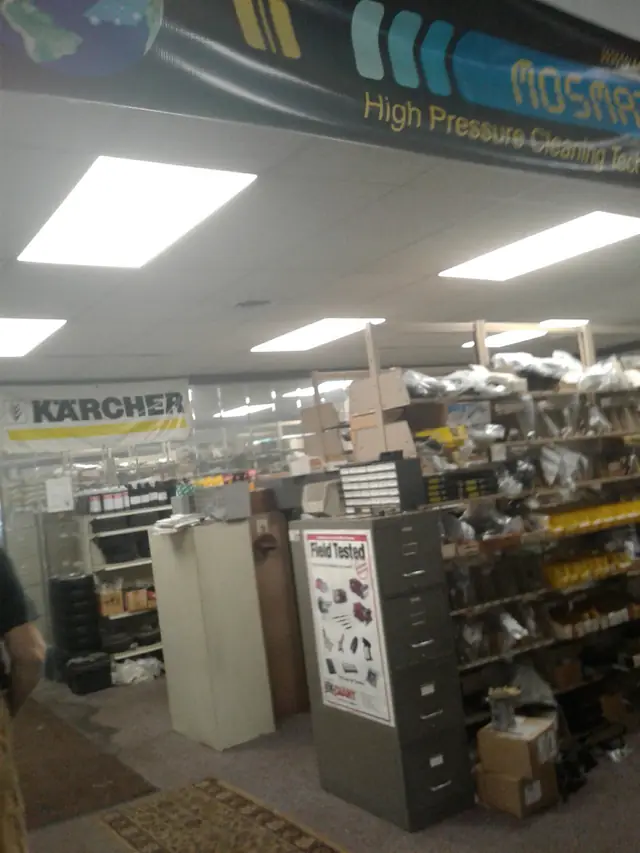
Every year we see the same thing come through the repair counter in spring: a pump that cracked over the winter because it still had water sitting in it when the first hard freeze hit. In southeastern Michigan that's not a maybe, it's a when. Winterizing isn't optional if you want the machine to start the next season instead of opening a repair ticket.
It starts with checking the machine before you put it away
Before storage, and honestly before and after every use through the season, the machine and its accessories deserve a real look, not just a rinse and a shove into the corner. Spray wands and trigger guns take a beating over a season of use, and a trigger that's sticking or a wand connection that's worn isn't something you want to discover the first time you fire the machine up again in spring.
Purge the pump before the freeze, not after
Water left inside the pump expands as it freezes, and that expansion cracks internal components that are expensive to replace and sometimes not worth replacing at all on an older unit. Purging the pump, running it dry or through it with an appropriate antifreeze solution depending on the machine, is the single most important step in getting a washer through a Michigan winter intact. Do it before the first below-freezing night, not after you've already had one.
Oil changes on a schedule, not a guess
Pump oil should be changed every 50 hours of use or once a year, whichever comes first, even on a machine that hasn't logged anywhere near 50 hours. Oil breaks down with age and with moisture exposure, not just with runtime, so a lightly used machine still needs that annual change. Fall, before storage, is the natural time to get this done alongside the purge.
O-rings, screens, and the small parts that fail first
O-rings and inlet screens are cheap and easy to overlook, and they're usually the first thing to fail after a season of use or a stretch sitting in storage. A cracked or worn O-ring leaks pressure and lets air into the system. A clogged or torn screen lets debris into the pump where it does real damage. Checking and replacing both before storage, and again before the machine goes back into service, is a small job that prevents a much bigger one.
Know what you're winterizing
How you winterize depends on what kind of machine you have. Electric units don't have fuel to worry about but still need the pump purged and protected against freezing. Gas and diesel units need fuel stabilized or drained on top of the pump work. Portable units are easier to move into a heated space for storage, while stationary units need their winterizing done in place since they're not going anywhere. Belt-driven pumps and direct-drive pumps also age differently under a season of use, which is one more reason a machine that's been running hard all year deserves a real look before it gets put away, not just a quick purge and a tarp over it.
Engine care alongside the pump
Gas engine units need their own attention going into winter: fresh oil, fuel stabilized or drained depending on how long the machine will sit, and any worn parts replaced with manufacturer-approved parts rather than a generic substitute. We stock engine parts and offer tune-up service, and using the right part the first time is what keeps a small fix from turning into a bigger one down the line.
The full off-season checklist
- Purge the pump before the first hard freeze
- Change pump oil every 50 hours or annually, whichever comes first
- Inspect and replace worn O-rings and inlet screens
- Check hoses, spray wands, and trigger guns for wear before storing
- Service the engine with manufacturer-approved parts before it sits idle
More detail on general year-round upkeep, hot vs. cold water care, and belt-driven versus direct-drive maintenance is in our maintenance guide. If a pump or engine already took winter damage, our repair shop services what we sell along with most other commercial brands. Bring it in or call (248) 615-4400 and we'll get you a straight assessment before any work starts.
Atomic Cleaning Systems, (248) 615-4400
Call (248) 615-4400More articles
Hot Water or Cold Water: Picking the Right Pressure Washer for the Job
The question we get asked more than any other, answered honestly instead of sold.
PSI and GPM Explained: Why Buying on PSI Alone Is a Mistake
Two numbers on every spec sheet, and most buyers only ever look at one of them.